Firearm ownership comes with serious responsibilities. Whether you’re a first-time gun owner or someone with years of experience, following the basic rules of firearm safety is essential for protecting yourself and those around you. Responsible handling prevents accidents, builds confidence, and helps you stay compliant with the law. It also reinforces the importance of proper storage—something a local gun safe can provide for any household that keeps firearms on the premises.
Below is a clear, comprehensive guide to the core rules of firearm safety and why they matter.
Treat Every Firearm as If It Is Loaded
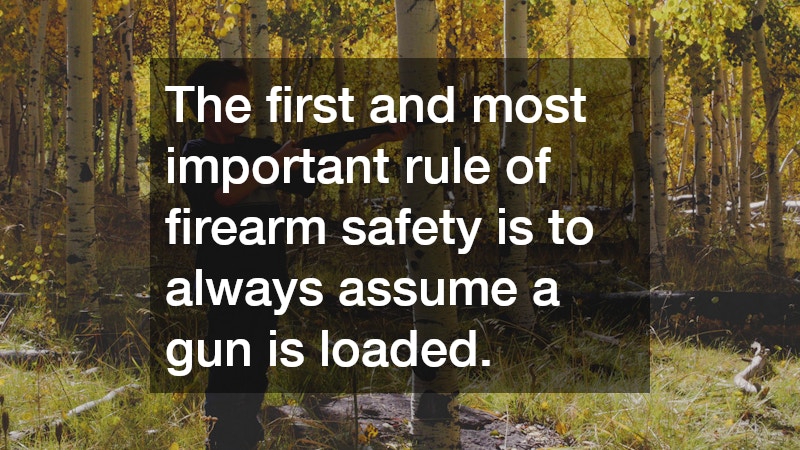
The first and most important rule of firearm safety is to always assume a gun is loaded. Even if you believe the chamber is empty, never take chances.
This mindset prevents careless mistakes and encourages constant awareness. Each year, preventable accidents occur because someone assumed a firearm was unloaded and handled it improperly.
Before handling any firearm—whether at home, at the range, or during cleaning—physically and visually inspect the chamber and magazine. This simple habit saves lives. Responsible gun owners also store their firearms properly, with many choosing a local gun safe to ensure that loaded or unloaded weapons are always secured when not in use.
Never Point a Firearm at Anything You Are Not Willing to Destroy
Firearms should always be pointed in a safe direction, meaning a direction where an accidental discharge won’t cause injury or damage. This rule applies at all times: while loading, unloading, cleaning, or carrying.
In a home environment, this means avoiding pointing a firearm toward hallways, rooms, or entryways where people could be present. At a shooting range, always keep the muzzle pointed downrange. If you’re unsure what qualifies as a safe direction, pause and reassess your surroundings before handling the gun.
Keep Your Finger Off the Trigger Until Ready to Shoot
One of the most common causes of accidental discharge is an improperly placed finger on the trigger. Good firearm discipline means keeping your finger straight and outside the trigger guard until you have clearly identified your target and made the conscious decision to fire.
This rule takes practice, especially for new gun owners, but it becomes second nature with repetition. Whether you’re picking up, setting down, or simply holding a firearm, your trigger finger should remain off the trigger until the moment of firing.
Always Know Your Target and What Is Beyond It
Before firing, be absolutely certain of your target. Just as importantly, understand what is behind and around that target. Bullets can travel long distances, ricochet, or penetrate walls and objects. A safe backdrop—such as a berm at a shooting range—is essential.
In real-world scenarios, firing without knowing what is beyond your target can result in serious unintended harm. Responsible gun owners evaluate their surroundings every time they aim a firearm. This habit should remain consistent both in controlled environments and in potential defensive situations.
Proper Firearm Storage Is Essential
One of the most important aspects of firearm safety is secure storage. Accidental injuries often occur when unauthorized individuals—especially children—gain access to firearms. Storing your firearms in a locked location when not in use prevents these tragedies and enhances overall home security.
A local gun safe is one of the best investments for responsible storage. Gun safes protect firearms from theft, prevent unauthorized access, and safeguard weapons during emergencies. Many modern safes feature fire resistance, biometric locks, and customizable interior compartments. By choosing a safe from a reputable local supplier, gun owners benefit from expert guidance and reliable installation.
Regular Maintenance and Inspection
Firearms must be cleaned and inspected regularly to ensure they function safely and reliably. Dirt, carbon buildup, or worn-out parts can cause malfunctions that put users at risk. Before cleaning a firearm, double-check that it is unloaded and pointed in a safe direction.
Read the manufacturer’s instructions for proper cleaning procedures and lubrication points. If you’re unsure about a mechanical issue, consult a qualified gunsmith rather than attempting repairs on your own. Safe operation starts with a firearm that is in good working condition.
Use the Correct Ammunition
Using the wrong type of ammunition can cause catastrophic damage to both the firearm and the shooter. Always match ammunition specifications—including caliber and pressure ratings—to the firearm’s manufacturer guidelines.
Store ammunition separately from your firearms, ideally in a secure, dry location. Many gun owners choose to keep ammunition in a locked compartment within their local gun safe for added safety and organization.
Wear Proper Safety Gear
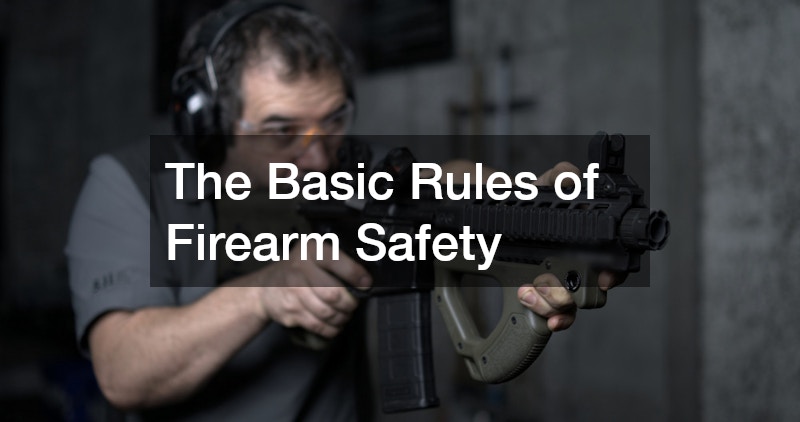
Eye and ear protection are essential when firing a gun. Firearms produce loud noise that can damage hearing instantly, and spent casings or debris can cause eye injuries. Responsible gun owners never fire without protective equipment—this rule applies whether you’re at a professional range or on private property.
Never Rely Solely on a Mechanical Safety
Mechanical safeties are helpful tools, but they are not foolproof. Safeties can malfunction, wear out over time, or be disengaged accidentally. Safe firearm handling relies on following all safety rules—not just trusting the internal mechanisms of a gun.
Treat the safety as an additional layer of protection, not a guarantee. Continue to handle every firearm with the same caution, whether the safety is engaged or not.
Seek Training and Stay Educated
Even experienced gun owners benefit from ongoing training. Professional instruction teaches proper technique, reinforces safety habits, and builds confidence. Classes offered by ranges, certified instructors, or law enforcement professionals cover topics such as defensive shooting, firearm maintenance, and legal responsibilities.
Safe firearm handling is not a one-time lesson—it is a lifelong commitment that improves with education and practice.
Firearm safety is built on consistent habits, responsible storage, and ongoing education. By following the basic rules—treating every firearm as loaded, pointing it in a safe direction, keeping your finger off the trigger, and knowing your target—you significantly reduce the risk of accidents. Pairing these habits with secure storage through a local gun safe ensures that firearms remain accessible only to authorized individuals.
With proper care, training, and respect, gun ownership can remain safe for you, your family, and your community.